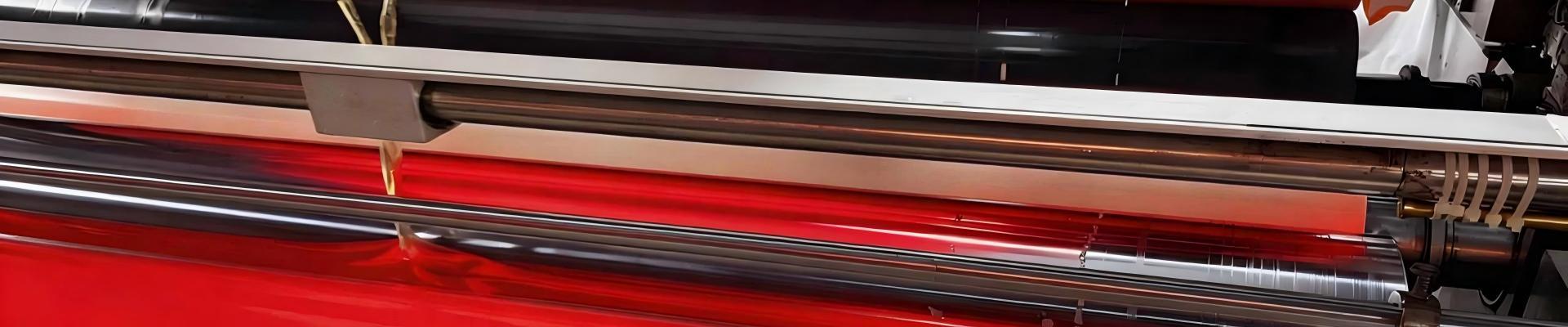
Moisture and oxygen are among the main causes of spoilage, oxidation, and mold in food, pharmaceutical, and cosmetic products, making barrier packaging a central concern for manufacturers. Acrylic-coated biaxially oriented polypropylene, or BOPP, film has emerged as a key material for extending shelf life and protecting product quality from external conditions.
Core technology: why acrylic-coated BOPP
BOPP film is produced by extruding polypropylene melt through a tubular die and stretching it in both machine and transverse directions. This biaxial orientation aligns polymer molecules and improves tensile strength, transparency, and basic barrier performance.
To meet more demanding shelf-life requirements, an acrylic coating is applied to the BOPP substrate. The coating forms a dense physical layer on the film surface, helping to block the penetration of moisture and oxygen molecules.
Barrier and sealing performance
The acrylic layer is designed to create a uniform and continuous surface that supports precise control of oxygen and water vapor transmission rates. This barrier function is central to limiting oxidation and moisture-related deterioration in packaged goods.
The coating also improves the film’s heat-seal strength, helping packaging bags remain sealed during transport and storage. Strong seals are intended to reduce leakage risk and maintain package integrity through handling and distribution.
Optical and mechanical properties
Acrylic-coated BOPP film retains high clarity, allowing products to remain visible while supporting brand and product information through print. Its print-ready surface is suitable for packaging applications that require clear presentation and functional performance.
The film also offers tear and puncture resistance, making it adaptable to complex logistics environments. These mechanical properties help protect internal products while maintaining the packaging structure.
|
Performance dimension
|
Technical role
|
|
Barrier
|
Blocks moisture and oxygen to help prevent oxidation and deterioration
|
|
Heat seal
|
Provides a stable seal and supports packaging integrity
|
|
Optical performance
|
Maintains high transparency for product visibility
|
|
Mechanical performance
|
Offers high tear resistance to protect internal products
|
Applications and selection
The material is widely used in applications that require strong moisture and oxidation protection, including food such as snacks and baked goods, pharmaceuticals, cosmetics, and other perishable consumer products. In these categories, package performance depends on both barrier control and seal reliability.
Coating thickness directly affects barrier performance. In general, a thicker coating provides stronger barrier properties, but selection should balance the specific shelf-life requirements of the packaged product against cost considerations.
For heat-seal performance, testing on the actual packaging line is recommended. The film is designed to maintain seal integrity under standard heat-sealing conditions, and any leakage should prompt a review of sealing temperature, pressure, and time against the film’s specifications.
Frequently Asked Questions
How does acrylic coating thickness affect packaging performance?
Coating thickness directly influences barrier effectiveness. A thicker coating generally provides stronger barrier performance, but the choice should be balanced against the product’s shelf-life requirements and cost budget.
What products are suitable for acrylic-coated BOPP film packaging?
The material is widely used in areas requiring strong moisture and oxidation protection, including food such as snacks and baked goods, pharmaceuticals, cosmetics, and various perishable consumer products.
How can heat-seal performance be assessed?
Heat-seal strength testing should be conducted on the actual packaging production line. The film is designed to maintain seal integrity under standard heat-sealing conditions; if leakage occurs, sealing temperature, pressure, and time should be checked against the film’s specifications.